
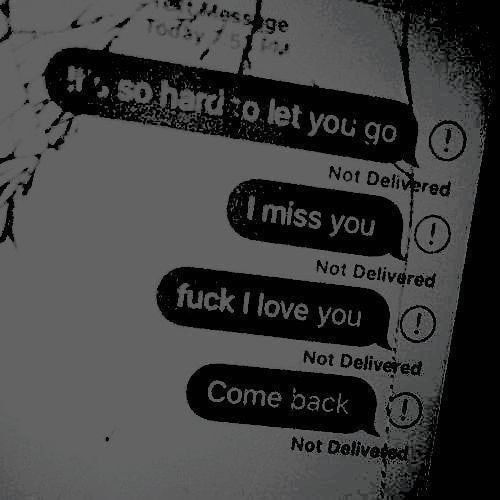
There is something strangely tragic about the teenagers of Ravenport.
They love too intensely.
And they believe it will last forever.
At fifteen, sixteen, seventeen years old, they begin searching for something they believe will save them from loneliness. They call it love. They write each other's names on notebooks, stay awake until three in the morning talking, promise that nobody else will ever understand them the way they do.
For a while, it works.
Then someone changes.
Someone cheats.
Someone leaves.
Someone realizes they never loved the other person as much as they thought.
And suddenly, the person who was supposed to be their entire world becomes a stranger.
That is where the problem begins.
The First Heartbreak
Ravenport teenagers grow up believing that their first love is supposed to mean something permanent.
Nobody tells them that sometimes the first person you love is simply the first person who teaches you how painful love can be.
The heartbreak is real.
The loneliness is real.
The nights spent staring at a phone waiting for a message that will never come are real.
And for a teenager who hasn't experienced much of the world yet, losing a relationship can feel like losing the world itself.
Research into adolescent relationships has found that breakups can be particularly difficult for young people, with relationship concerns—especially after a breakup—being associated with depression, self-harm and suicidal thinking among adolescents seeking help.
But Ravenport has something darker.
The heartbreak doesn't always end when the relationship does.
Sometimes it becomes part of the person.
The Years Make It Worse
One heartbreak becomes two.
Two becomes three.
Eventually, the teenager who once believed love was beautiful begins to believe love is dangerous.
They become suspicious.
They check phones.
They question every message.
They become jealous.
They stop trusting people.
Or they become the person who hurts others before someone gets the opportunity to hurt them.
Some become addicted to relationships.
They cannot stand being alone, so they immediately search for someone else.
Others do the opposite.
They stop looking entirely.
They tell themselves they don't need anybody.
They laugh whenever someone mentions love.
They pretend they don't care.
But sometimes, underneath all that indifference, there is still the same teenager who once wanted nothing more than to be loved.
They just don't believe it is worth the risk anymore.
A Generation Growing Tired
This is how Ravenport slowly loses an entire generation.
Not all at once.
One person at a time.
A teenager disappears from school.
Someone stops answering messages.
Someone who used to laugh loudly becomes quiet.
Someone starts spending every night alone.
Someone stops believing that tomorrow will be better.
And the city's suicide rate keeps climbing.
People notice the numbers.
They discuss statistics.
They blame social media.
They blame parents.
They blame schools.
They blame relationships.
They blame the teenagers themselves.
But numbers don't tell you what happened inside someone's bedroom at two in the morning.
They don't tell you about the message someone wrote and deleted.
They don't tell you about the photograph someone couldn't bring themselves to delete.
They don't tell you how many nights someone cried without making a sound because they didn't want anyone to know they were falling apart.
Ravenport doesn't have a love problem.
It has a loneliness problem.
The Great Depression of a Generation
Perhaps that is what makes this generation different.
They are surrounded by people but increasingly disconnected from them.
They can talk to hundreds of people through a screen and still feel like nobody knows them.
They can fall in love within weeks and become strangers within months.
They can watch everyone else's happiness while quietly believing that their own life is falling apart.
And eventually, some of them become exhausted.
Not dramatic.
Not rebellious.
Just tired.
A generation can become depressed without everyone realizing it.
Sometimes depression doesn't look like crying.
Sometimes it looks like jokes.
Sometimes it looks like sleeping all day.
Sometimes it looks like never taking anything seriously.
Sometimes it looks like someone saying, "I don't care anymore."
And sometimes, unfortunately, it looks like someone disappearing.
The World Health Organization notes that adolescence is a particularly formative period, with depression and anxiety among the leading causes of illness and disability in adolescents, while suicide is a major cause of death among older adolescents and young adults.
But Here Is What Ravenport Keeps Forgetting
Heartbreak is not proof that love was a mistake.
It is proof that something mattered.
Losing someone doesn't mean you will never love again.
Being betrayed doesn't mean everyone will betray you.
Being alone doesn't mean you are unwanted.
And your first love does not have to become your definition of love.
Sometimes the person who breaks your heart is not the person who was meant to stay.
Sometimes a relationship ending is not the end of your story.
It is simply the end of a chapter you were never supposed to live in forever.
There is wisdom in learning to let people leave without letting them take your entire identity with them.
Because you were a person before they arrived.
You will still be a person after they leave.
Maybe We Are Teaching Them Love Wrong
Perhaps teenagers don't need to be told to stop falling in love.
Maybe they need to be taught that love is not supposed to be the entire foundation of their existence.
You can love someone without abandoning yourself.
You can miss someone without chasing them.
You can forgive someone without allowing them back into your life.
You can lose someone and still choose yourself.
And perhaps most importantly:
You can be alone without being incomplete.
Love should add something to your life.
It shouldn't be the only reason you believe your life has value.
Because when you make another person your entire world, losing them can make the world feel like it has disappeared.
But there is always more world beyond the person who left.
There are friendships you haven't made.
Places you haven't seen.
Songs you haven't heard.
People you haven't met.
Versions of yourself you haven't discovered yet.
The Ones Who Survive
Not everyone in Ravenport finds that wisdom quickly.
Some become worse at love.
Some become colder.
Some become desperate.
Some refuse to love again.
And some eventually understand something their younger selves never could:
Love was never supposed to save them.
It was supposed to be something they shared while they were already learning how to save themselves.
Maybe that is what Ravenport's teenagers need to hear.
You are allowed to love deeply.
You are allowed to get your heart broken.
You are allowed to grieve.
You are allowed to miss someone.
But don't mistake the end of a relationship for the end of your life.
A person can leave your story without ending it.
And sometimes the greatest act of love isn't holding onto someone.
Sometimes it is learning how to hold onto yourself.
Because Ravenport has already lost too many young people to the belief that their pain would last forever.
And perhaps the wisdom the city needs most is the simplest:
Nothing hurts forever—not even the things that convince you they will.