
Ravenport in a Headlock: The Lana-Ho Problem
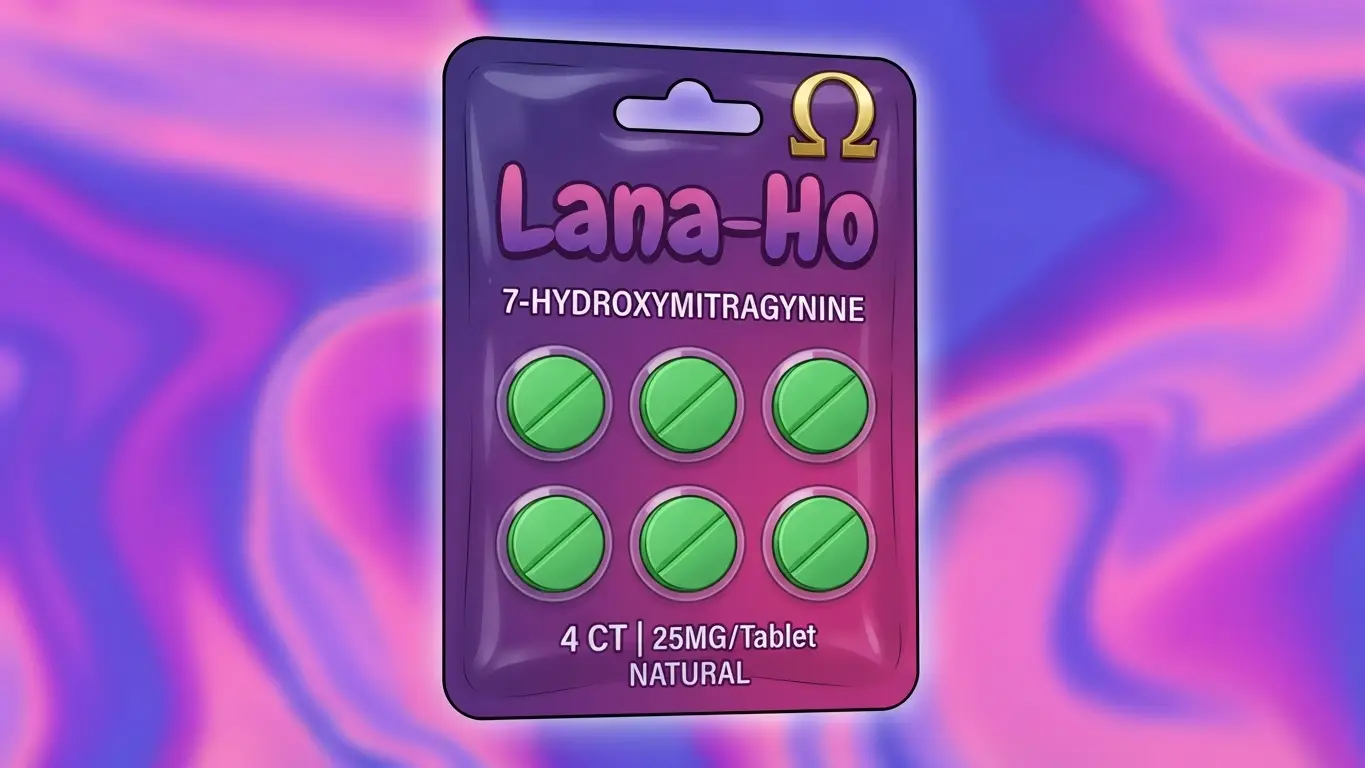
Sold in fruity flavors and often disguised as something resembling an ordinary convenience-store sweet, Lana-Ho has become widely available across Ravenport. What began as something many teenagers considered harmless has developed into what health officials and families are increasingly calling an opioid epidemic.
Among Ravenport teenagers, the drug has picked up darker nicknames: "Devil's Nuts" and "Demon Pills."
The names aren't meant to scare people away.
For some users, they describe exactly what makes the drug so difficult to leave behind.
"When you take it, your pain just goes out the window," one Ravenport teenager said. "Your stress, your anxiety — everything disappears. It feels like you just hugged Jesus."
That description, investigators say, captures the dangerous appeal of Lana-Ho.
For teenagers dealing with loneliness, academic pressure, family problems, anxiety or simply the ordinary chaos of growing up, the drug can provide an intense feeling of relief. That relief can become something users begin chasing repeatedly.
And once that happens, the sweet packaging becomes irrelevant.
The opioid underneath is what matters.
Parents have reported finding colorful Lana-Ho wrappers in bedrooms, backpacks and even school bathrooms. Some students reportedly trade the pills between classes, while others obtain them from gas stations and informal sellers operating around Ravenport's neighborhoods.
The city's schools are now facing a problem that has proven difficult to contain.
Teachers say some students appear exhausted, detached or unusually unresponsive during the school day. Others have reportedly disappeared from class for extended periods, returning with little explanation.
The consequences have extended beyond schools.
Emergency departments have seen teenagers arrive suffering from opioid-related complications, while families have struggled to understand how something sold in such an innocent-looking form could become the center of their child's life.
One Ravenport parent described Lana-Ho as "the drug that doesn't look like a drug."
That may be part of its success.
Traditional warnings about heroin or other visibly dangerous substances don't necessarily resonate with teenagers when the substance in front of them looks like a brightly colored fruit-flavored treat.
But addiction does not care what the packaging looks like.
The city's growing Lana-Ho problem has also raised uncomfortable questions about how the drug became so easily accessible in the first place.
Why were teenagers able to obtain an addictive opioid from places they normally associate with fuel, snacks and soft drinks?
And how long had Ravenport been underestimating the problem?
For many families, those questions have arrived too late.
The teenagers who once described Lana-Ho as a way to forget their problems are now describing something very different: cravings, withdrawal, secrecy and an inability to stop.
The "biblical embrace" some users remember as the reason they first took Lana-Ho has, for many, become the reason they keep returning to it.
Ravenport may have discovered a new generation of opioid abuse.
And this time, it came wrapped in fruit flavoring.