
Selling University Dreams
It starts with a message.
"Need a university admission letter?"
Then comes the promise.
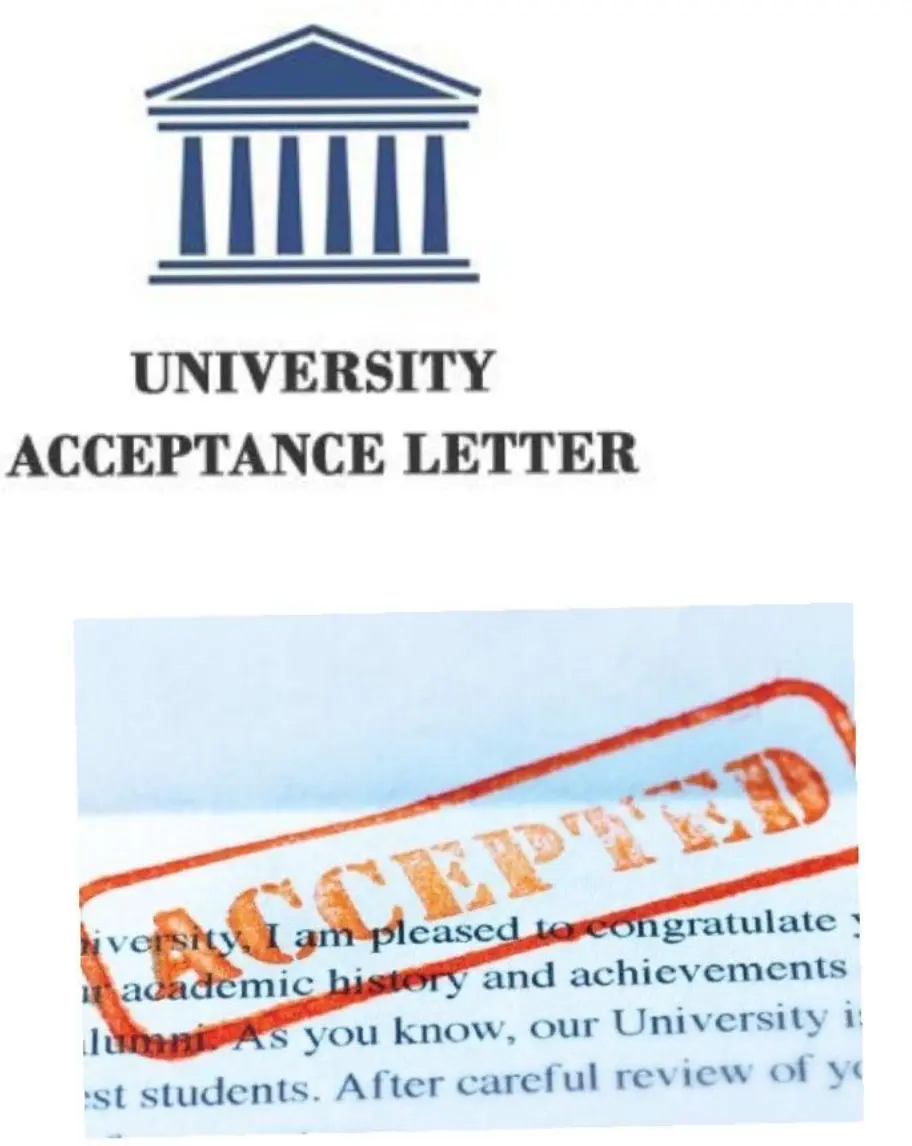
A university acceptance letter.
A student identification document.
A transcript.
Sometimes even a graduation certificate.
All without attending a single lecture.
At first, investigators believed these were isolated scams. Now they suspect something much larger: a network of people producing convincing academic documents and selling them to desperate customers.
The disturbing part isn't simply that the documents exist.
It's that people are actually buying them.
A University Without a Student
According to investigators, the operation targets people who want the appearance of an academic career without going through the years required to build one.
A person who never attended university can supposedly obtain a letter claiming they have been accepted.
Someone who dropped out can suddenly possess documents suggesting they completed their studies.
Another person can present themselves as a graduate despite never sitting through a single examination.
The documents are designed to look official enough to survive a casual glance.
And that is precisely what makes them dangerous.
Academic credential fraud is not a fictional problem. Recent cases in Havenfall have involved alleged networks advertising counterfeit examination certificates through messaging groups, while investigators have used undercover approaches and seized digital devices during arrests.
The Investigators Went Looking for the Sellers
Rather than waiting for victims to appear, investigators decided to enter the market themselves.
They approached suspected sellers as potential customers.
The questions were simple.
"Can you make an admission letter?"
"Can you make a certificate?"
"How long will it take?"
The investigators weren't actually interested in buying.
They wanted to discover who was behind the documents.
What appeared to be an underground business began revealing itself as something more organized.
One person could create the document.
Another could print it.
Another could supposedly provide an official-looking signature or verification.
The deeper investigators went, the more complicated the network appeared.
The Customers Are Part of the Problem
There is an uncomfortable truth behind the Havenfall scandal.
The sellers cannot operate without buyers.
People want qualifications because qualifications open doors.
Jobs.
Promotions.
University admissions.
Social status.
Sometimes the pressure to appear successful becomes stronger than the fear of being caught.
Research into qualification fraud in Havenfall has similarly identified employment pressure, the demand for credentials and the desire for recognition and success among factors associated with fraudulent qualifications.
That creates an enormous market.
And wherever there is demand, someone eventually appears willing to supply it.
The Fake Letter That Became Evidence
One suspected seller reportedly made a serious mistake.
He believed he was speaking to an ordinary customer.
Instead, he was speaking to an investigator.
The request was deliberately specific.
An imaginary student.
An imaginary university application.
An imaginary future.
The seller agreed.
And once the document was produced, the investigators had something more valuable than a rumor.
They had evidence.
Similar investigative tactics have appeared in real cases involving counterfeit academic certificates, where officials posed as potential customers to document how alleged sellers operated.
The Certificate Doesn't Create a Graduate
Perhaps Havenfall's biggest misunderstanding is this:
A certificate doesn't create an education.
A university letter doesn't create knowledge.
A title doesn't create competence.
Someone can manufacture a beautiful document.
They cannot manufacture the years of studying behind it.
And eventually, somebody asks questions.
"What did you study?"
"Who taught you?"
"Where did you graduate?"
"Can the university confirm this?"
That is when the paper begins to fall apart.
The Investigation Continues
Authorities are now encouraging institutions to take suspicious academic documents seriously.
A forged qualification can damage more than the person presenting it.
It can undermine legitimate graduates, damage the reputation of universities and allow unqualified people into positions where other people's lives may depend upon their abilities.
Recent Havenfallan cases have demonstrated just how far academic-document fraud can extend, including alleged attempts to use counterfeit qualifications for university admission and professional opportunities.
For Havenfall, investigators say the message is simple:
If someone offers you a university future that can be bought in a few messages, you're probably not buying an education.
You're buying evidence.
And someone may already be waiting for you to use it.